Marine Collagen Hydrolysate
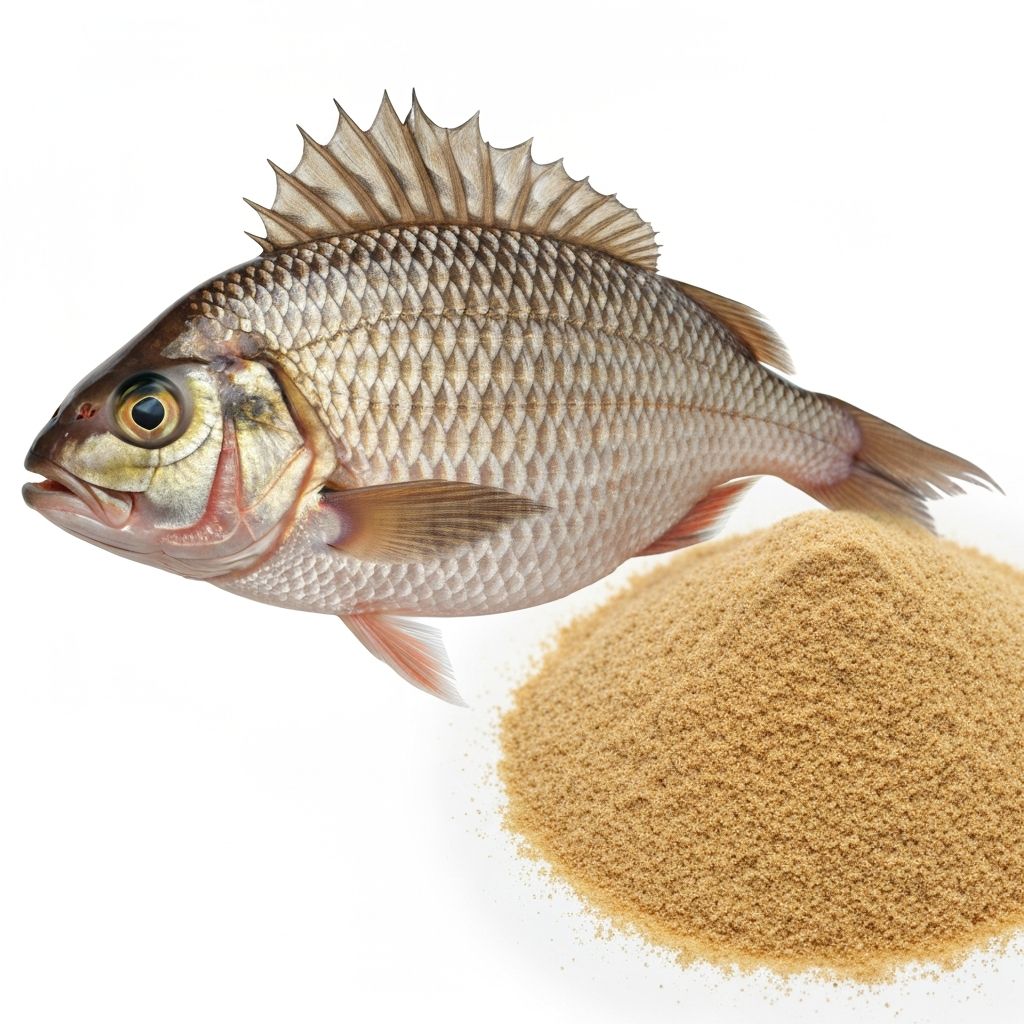
Marine collagen is derived from fish sources and represents a well-studied compound in nutrition science. Collagen is a primary structural protein found in connective tissues, cartilage, and skin.
Informational Benefits Explored
- Supports cartilage integrity and structure
- Promotes skin elasticity and general tissue health
- Aids in general tissue repair and renewal processes
Collagen hydrolysate is produced through enzymatic breakdown of collagen protein, increasing bioavailability. Research continues to explore optimal dosing and individual response variations.
Glucosamine Sulfate
Glucosamine is an amino sugar naturally present in the body, particularly in cartilage and connective tissues. It serves as a building block for various structural components of joints.
Informational Benefits Explored
- Contributes to cartilage formation and structure
- Supports joint lubrication through synovial fluid maintenance
- Maintains overall healthy joint structural integrity
Glucosamine sulfate is sourced from shellfish or synthesized. Individual responses vary, and long-term supplementation effects continue to be researched.

Chondroitin Sulfate
Chondroitin is a naturally occurring compound present in cartilage and connective tissues. It is distinguished by its water-retaining properties and structural significance in joint health.
Informational Benefits Explored
- Helps maintain cartilage elasticity and flexibility
- Supports joint shock absorption mechanisms
- Assists in overall joint comfort and function
Chondroitin sulfate is often combined with glucosamine in supplements. Research explores its efficacy both independently and in combination formulas.