A comprehensive educational resource on natural approaches to joint health, mobility, and flexibility.
Educational content only. No promises of outcomes.
Joints are complex systems where bones meet, enabling movement and flexibility. The structure of healthy joints involves several key components that work together to facilitate smooth motion and support overall well-being.
Cartilage serves as a protective cushioning material that covers the ends of bones, allowing them to move smoothly against one another. Ligaments are tough connective tissues that hold bones together, providing stability. Synovial fluid, produced within the joint capsule, acts as a natural lubricant, reducing friction between moving parts and enabling smooth, comfortable movement.
Understanding these structures helps explain why maintaining joint health through lifestyle and nutritional approaches is important for overall mobility and comfort.

Nutrition plays a foundational role in supporting joint health and flexibility. Various nutrients contribute to the structure and function of connective tissues, and understanding their roles can inform dietary approaches to wellness.
Protein provides the building blocks for cartilage and connective tissues. Omega-3 fatty acids support tissue flexibility and overall cellular function. Vitamin C is essential for collagen synthesis, a key structural component of cartilage. Minerals such as calcium and magnesium support bone health and muscle function, indirectly benefiting joint comfort.
Throughout history and across cultures, various plant extracts have been studied for their potential roles in supporting general well-being. These botanicals offer interesting perspectives on natural approaches to wellness.
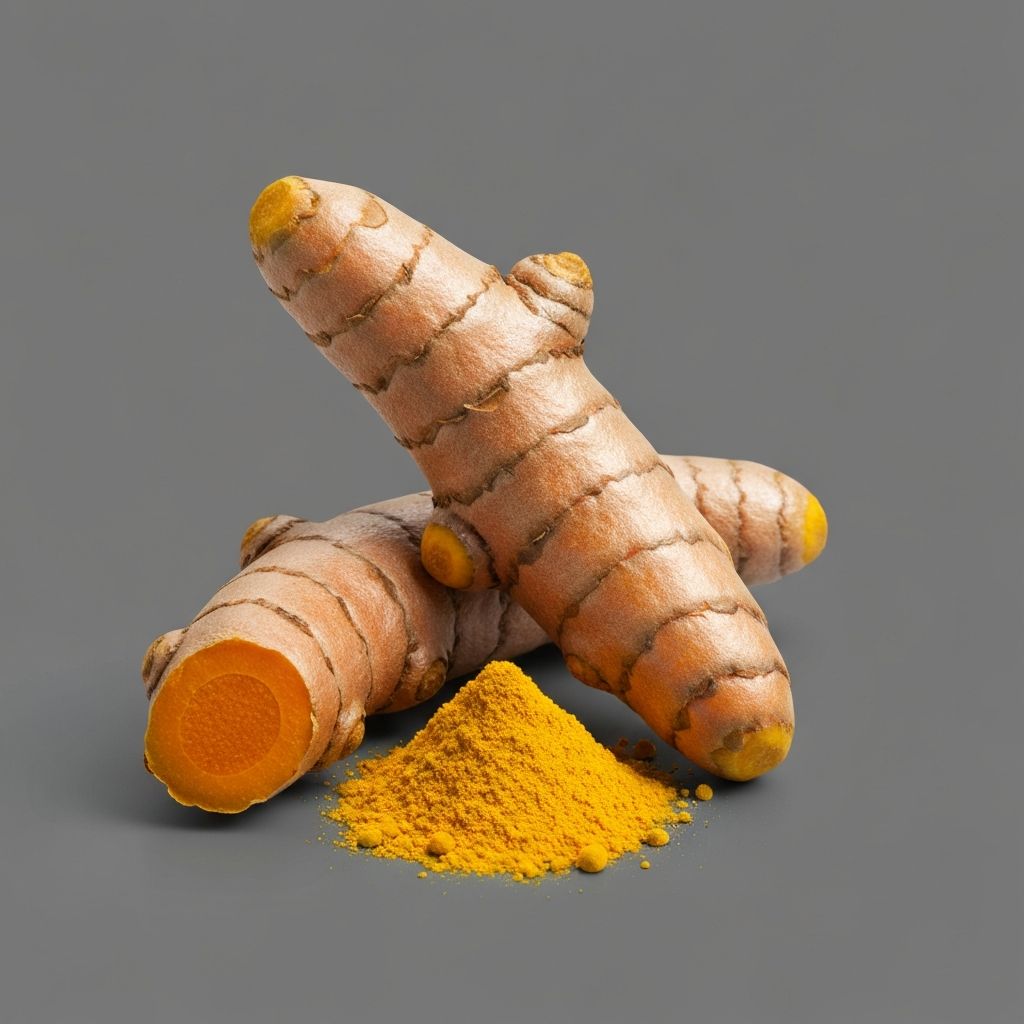
Turmeric, derived from the root of Curcuma longa, has been used in traditional wellness practices for centuries. Modern research explores its potential to support various bodily functions and cellular health, contributing to discussions about natural wellness approaches.
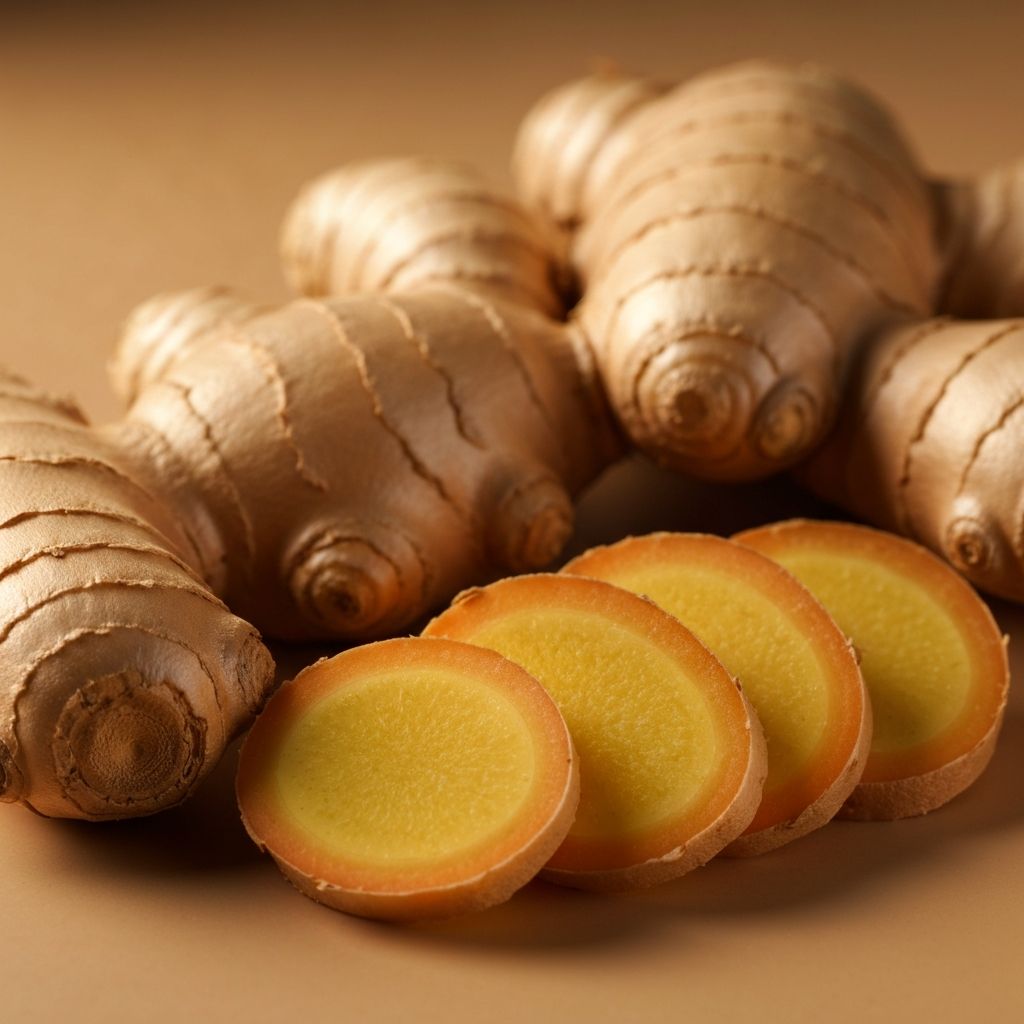
Ginger comes from the rhizome of Zingiber officinale and has long been incorporated into traditional dietary and wellness practices. Its compounds are studied for their potential contributions to general wellness and comfort.
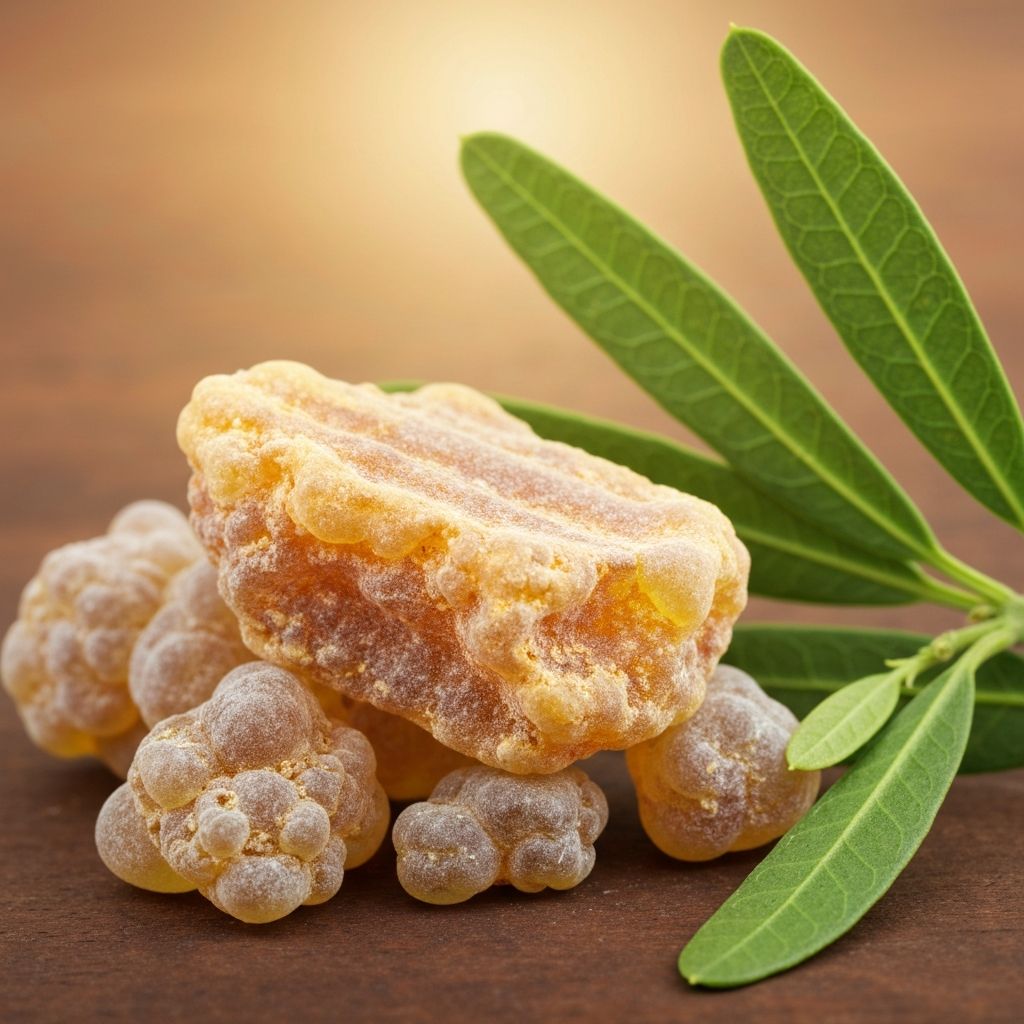
Boswellia sacra has a rich history in traditional wellness practices, particularly in Ayurvedic and Traditional Chinese Medicine. Its resin contains compounds that have attracted scientific interest for their potential benefits to joint comfort and flexibility.
Beyond nutrition, lifestyle factors significantly influence joint health and mobility. Regular movement, adequate hydration, and stress management contribute to overall well-being.
Moderate physical activity strengthens muscles that support joints and maintains flexibility. Activities such as walking, swimming, yoga, and stretching promote mobility without excessive stress on connective tissues.
Water is essential for maintaining synovial fluid production, which lubricates joints. Consistent hydration supports overall cellular function and tissue health.
Adequate sleep and rest periods allow the body to repair tissues and maintain optimal function. Recovery is as important as activity for long-term joint health.
Comfort and range of motion are interconnected aspects of joint health. A comprehensive approach combines several strategies to support these qualities.
Understanding the scientific terminology used to describe natural compounds can help evaluate their potential roles in supporting wellness.
Antioxidants are molecules that help protect cells from oxidative stress, a natural process that occurs in the body. By neutralizing harmful molecules called free radicals, antioxidants support cellular health and may contribute to overall well-being. Natural antioxidants are found in fruits, vegetables, herbs, and plant extracts.
Inflammation is a normal bodily response to injury or stress. Certain compounds are studied for their potential to modulate this response at the cellular level, supporting the body's natural inflammatory balance without suppressing essential protective functions.
Bioavailability refers to the degree to which nutrients or compounds are absorbed and utilized by the body. Some natural compounds are more easily absorbed when combined with specific foods or when processed in particular ways, affecting their potential effectiveness.
Different cultures have developed unique approaches to supporting joint health and mobility through natural means, offering insights into traditional wellness practices.
In Ayurveda, an ancient system from India, joint health is understood through the balance of doshas (bodily energies). Herbal remedies, oils, and lifestyle practices have been refined over thousands of years to support mobility and comfort.
Traditional Chinese Medicine employs herbs, acupuncture, and movement practices like tai chi to maintain the flow of Qi (vital energy) and support joint function. Many herbs used today have roots in these ancient practices.
European herbalism has a long history of using specific plants to support general wellness and comfort. Many modern botanical supplements trace their origins to medieval and Renaissance herbal traditions.
Indigenous cultures worldwide have identified local plants that support mobility and flexibility. These traditional uses often preceded modern scientific investigation and continue to inform contemporary wellness approaches.
Modern scientific research continues to investigate natural compounds and their potential roles in supporting joint health and overall well-being. This ongoing research provides evidence-based insights into traditional practices.
Research outcomes vary, and many studies are ongoing. The scientific community continues to explore how natural compounds can contribute to wellness strategies, with peer-reviewed publications providing frameworks for understanding their potential benefits.
There are many misconceptions surrounding joint health and natural remedies. This section addresses common myths with evidence-based explanations.
While natural compounds can be beneficial, they are not automatically safe for everyone. Some botanicals may interact with medications or be unsuitable for certain health conditions. Always consult healthcare professionals before adding new substances to your routine.
Joint health is a long-term endeavor. Sustainable improvements come from consistent lifestyle choices, balanced nutrition, and regular movement over time, not from quick solutions or single interventions.
Individual responses to dietary and lifestyle changes vary significantly. What works well for one person may not produce the same results for another due to genetic, environmental, and lifestyle differences.
No supplement can substitute for a healthy diet, regular exercise, adequate sleep, and stress management. Natural compounds are most effective as part of a comprehensive wellness approach.
For those interested in exploring these topics more deeply, the following resources offer evidence-based information from reputable sources: